What Issues Should Be Considered When Installing Prefabricated Container Houses?
Prefabricated container houses have become a popular choice for construction sites, temporary offices, and emergency housing solutions. Their modular design, rapid installation, and cost‑effectiveness make them attractive alternatives to traditional buildings. However, the installation process requires careful planning. If critical issues are overlooked during construction, problems such as water leakage, safety hazards, or structural instability may arise later, leading to costly renovations and reduced durability.
To ensure long‑term performance and safety, several key factors must be considered when installing prefabricated container houses.
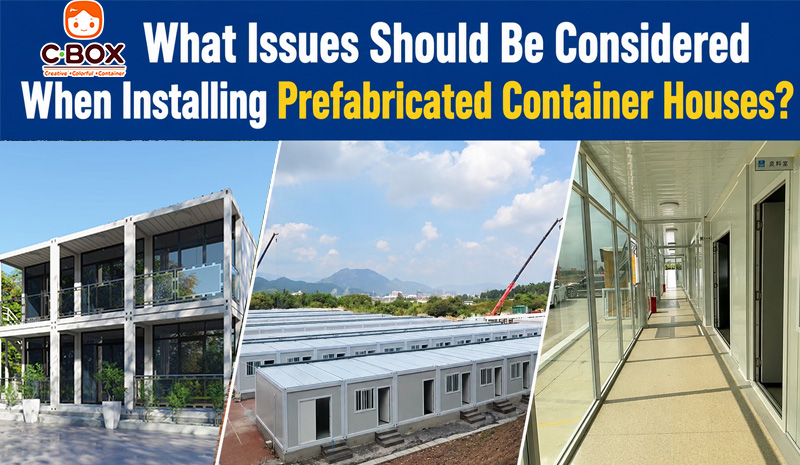
1. Drainage and Water Supply
Proper drainage and water supply systems are essential for maintaining the integrity of a prefabricated container house.
Drainage: Because container houses are primarily made of metal, moisture can cause corrosion and damage if not managed correctly. The ground level should be higher than the surrounding terrain, and drainage ditches should be dug around the structure. During rainy seasons, installing an A‑frame canopy on the roof helps direct rainwater away efficiently.
Water Supply: Two main solutions exist—connecting directly to the municipal water supply or installing a water tank. In many cases, a combination of both ensures reliability and convenience.
2. Lightning Protection and Safety Features
In high‑altitude or remote areas, prefabricated container houses are vulnerable to lightning strikes due to their metal structure.
Lightning Rods: Installing lightning rods is crucial to protect both the building and its occupants.
Additional Safety Measures: If the container house includes stairs, balconies, or elevated platforms, railings should be welded for added safety.
Modern users expect higher safety standards, so these protective measures are no longer optional—they are essential.
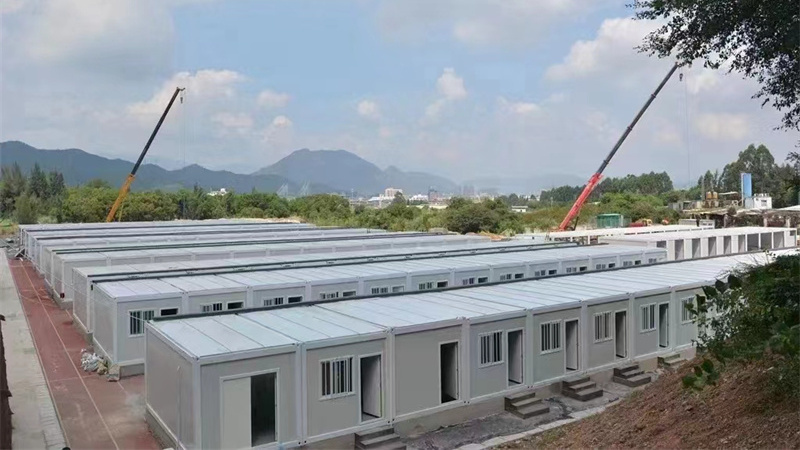
3. Design and Customization
Every project has unique requirements, and prefabricated container houses must be designed accordingly.
Size and Style: The dimensions and layout should match the client’s needs, whether for offices, dormitories, or storage.
Client Communication: Close collaboration with customers ensures that the final design meets expectations and complies with safety and durability standards.
A well‑planned design reduces the risk of modifications later, saving time and money.
Conclusion
Installing prefabricated container houses is not just about assembling modules—it requires thoughtful planning and attention to detail. Drainage, water supply, lightning protection, and customized design are all critical factors that determine the safety, reliability, and long‑term usability of the structure.
By addressing these issues during installation, companies can avoid costly renovations, extend the lifespan of their container houses, and provide safe, comfortable spaces for workers and residents alike. Choosing a professional manufacturer and ensuring proper installation practices are the keys to success in any prefabricated container housing project.





 jaringan ipv6 didukung
 CALL US : +86 13631414627
 EMAIL : sales906@cbox.ltd


